Comparison of the advantages and disadvantages of reverse osmosis membranes and ultrafiltration membranes, and their differences
Category:
Time of issue:2020-04-07
The pore size of a reverse osmosis membrane is only 1/100th the size of an ultrafiltration membrane. Therefore, reverse osmosis water treatment equipment can effectively remove heavy metals, pesticides, trichloromethane, and other chemical pollutants from water, which ultrafiltration water purifiers cannot do. Ultrafiltration water purifiers can remove particulate pollutants and bacteria, but reverse osmosis can remove them all.
Comparison of Advantages and Disadvantages of Reverse Osmosis Membranes and Ultrafiltration Membranes

I. Reverse osmosis and ultrafiltration both use membrane elements as their core components. There are two main differences:
1. The treated water quality and standards set by health departments differ. For example, regarding bacterial indicators in the treated water, ultrafiltration, as a "general water treatment device," has a colony count of 100 个 / 毫升 ; while reverse osmosis water treatment equipment is 20 个 / 毫升, with stricter requirements. Naturally, the water quality of reverse osmosis treated water is much better than that of ultrafiltration.
2. Reverse osmosis water treatment equipment provides water of different qualities; pure water for drinking and concentrated water for washing. ; Ultrafiltration is generally used for washing water. ; When the tap water quality is relatively good, it can also be used as drinking water with an ultra-pure water device.
II. Advantages of Ultrafiltration: Generally does not require a pump, consumes no electricity, and has no electrical safety issues. ; Fewer connections, low water pressure, relatively low failure and leakage rates. ; Simple structure, low price;
Its disadvantages are: poor effect in removing chemical pollutants from water. ; Poor effect on sudden water supply incidents. ; Slightly poorer taste of the treated water. ; Cannot reduce water hardness; if tap water has high hardness, cooking vessels may accumulate scale.
Ultrafiltration membranes can remove macromolecules, colloids, proteins, and particles from solutions. They have the characteristics of low operating pressure, high water production, and ease of operation. Tests of a hollow fiber ultrafiltration membrane device for deep purification of winemaking raw water have shown that ultrafiltration membrane water purification devices can effectively eliminate secondary pollution of water in the pipe network and further improve water quality.
III. Advantages of Reverse Osmosis Water Treatment Equipment: Safe water quality, effectively removes various harmful impurities from water. ; Good effect on sudden water supply incidents. ; Better taste of the treated water. ; Effectively reduces water hardness, cooking vessels are less prone to scaling;
Its disadvantages are: uses a pump, consumes electricity, and has electrical safety issues. ; Many connections, high water pressure, relatively high failure and leakage rates. ; Relatively complex structure, relatively expensive.
Differences between ultrafiltration membranes, nanofiltration, and reverse osmosis

I. Ultrafiltration Membrane
Ultrafiltration is a pressure-driven membrane separation technology. Under a certain pressure, small molecule solutes and solvents pass through a specially made membrane with a certain pore size, while macromolecular solutes cannot pass through and remain on one side of the membrane, thus partially purifying the macromolecular substances.
The advantages of ultrafiltration technology are its simple operation, low cost, and the fact that no chemical reagents need to be added. In particular, the experimental conditions of ultrafiltration technology are mild. Compared with evaporation and freeze-drying, there is no phase change, and it does not cause changes in temperature, pH Therefore, it can prevent the denaturation, inactivation, and autolysis of biological macromolecules. In the preparation technology of biological macromolecules, ultrafiltration is mainly used for desalting, dehydration, and concentration of biological macromolecules.
Ultrafiltration also has certain limitations; it cannot directly obtain dry powder preparations. For protein solutions, generally only 10 ~ 50 % concentration can be obtained. It can be used for both household and industrial purposes. The key to ultrafiltration technology is the membrane. Membranes come in various types and specifications and can be selected according to the needs of the work.
II. Nanofiltration
Nanofiltration is between ultrafiltration and reverse osmosis. It is now mainly used for desalination in water plants or industries. The desalination rate reaches 90 以上。The desalination rate of reverse osmosis reaches 99% above, but if the water quality requirements are not particularly high, nanofiltration can save a lot of costs.
III. Reverse Osmosis
Reverse osmosis is a membrane separation filtration technology that uses pressure difference as its driving force. It originated from aerospace technology research in the United States in the 1960s and has gradually been converted for civilian use. It is now widely used in scientific research, medicine, food, beverages, seawater desalination, and other fields.
Used in the preparation of space water, pure water, distilled water, etc.; wine making and water for reducing alcohol content; preliminary preparation of water for the pharmaceutical and electronics industries; concentration, separation, purification, and water preparation for chemical processes; boiler feed water desalination and softening; seawater and brackish water desalination; water and wastewater treatment for the papermaking, electroplating, and dyeing industries.
Tags:
-- Recommended --

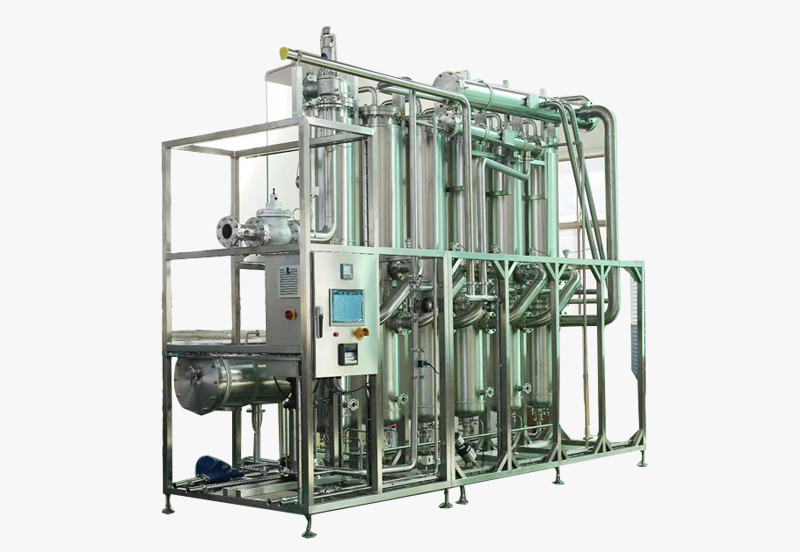
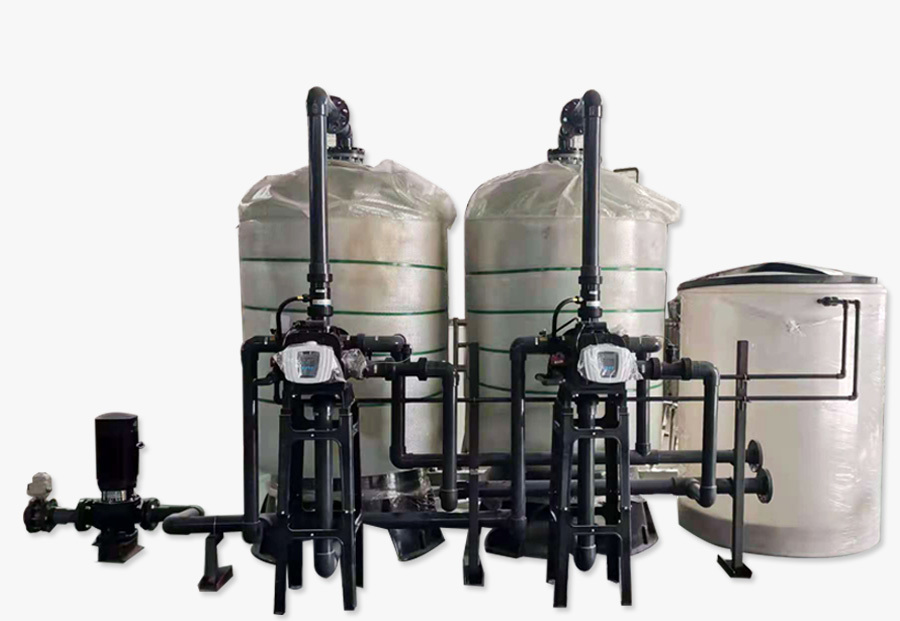

Shijiazhuang Tianwang Environmental Protection Technology Co., Ltd.
Shijiazhuang Tianwang Environmental Protection Technology Co., Ltd. is a high-tech enterprise specializing in the research and development, manufacturing and sales of water treatment equipment.
Contact Information
Production address: No. 9, Fengchan Road, Economic and Technological Development Zone, Shijiazhuang City
Office Address: 25th Floor, Block C, No. 310 Changjiang Avenue, Shijiazhuang High-tech Development Zone
Contact Number:
0311-89272359 0311-68039237
Enterprise Email:
twhbkj@163.com
Website: en.sjztwhb.com