

Several methods and principles of tap water purification
Category:
Time of issue:2020-04-03

In recent years, with the improvement of people's living standards, the demand for water has also increased. Today, I will share with you several methods and principles of tap water purification.
Four methods of water purification, principles, and functions:
Sedimentation: Insoluble impurities settle down and separate from the water, allowing large insoluble particles to settle, or alum is added to form a colloid that adsorbs impurities and settles.
Filtration: Separates liquids from solids that are insoluble in the liquid. Removes insoluble impurities.
Adsorption: Utilizing the adsorption properties of substances to adsorb some insoluble impurities, odors, and pigments in water, removing insoluble impurities, some soluble impurities, odors, and pigments.
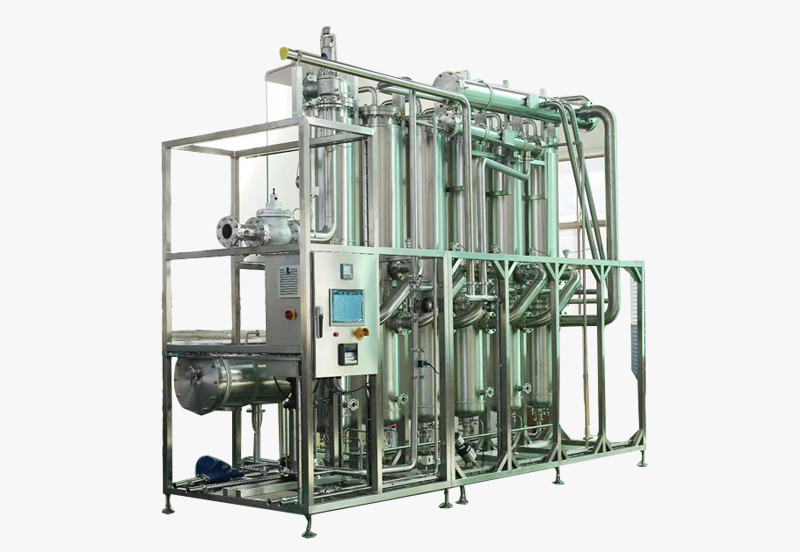
Distillation: Heating water to turn it into steam, then condensing it back into water. Removes soluble impurities and softens hard water.
Methods of water purification:
Adsorption, sedimentation, filtration, distillation, sterilization
Adsorption: Commonly used alum and activated carbon. Alum, when dissolved in water, forms a colloid that adsorbs suspended matter in the water. Activated carbon can not only adsorb suspended matter in the water but also substances with odors and pigments.
Sedimentation: After suspended matter in water is adsorbed, it forms dense particles, causing impurities to settle.
Filtration: Removes insoluble impurities from water.
Distillation: A method to remove soluble impurities.
Sterilization: Commonly used disinfectants: bleaching powder, chlorine, and new disinfectants such as chlorine dioxide.
Among adsorption, sedimentation, filtration, and distillation, distillation has the highest single-operation purification level.
When used comprehensively, the order is adsorption → sedimentation → filtration → The purification effect is better in the order of distillation.
Tap water purification steps:
① Water is drawn from the reservoir.
② Add flocculant ( Mainly alum ) ,so that the suspended small particulate impurities are adsorbed and aggregated.
③ Sedimentation and separation in the reaction sedimentation tank to clarify the water.
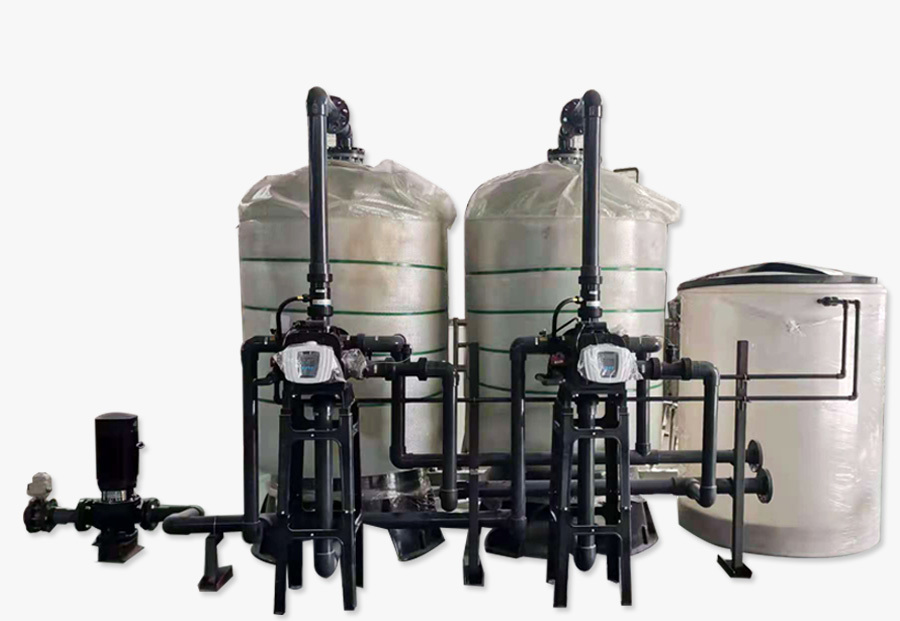
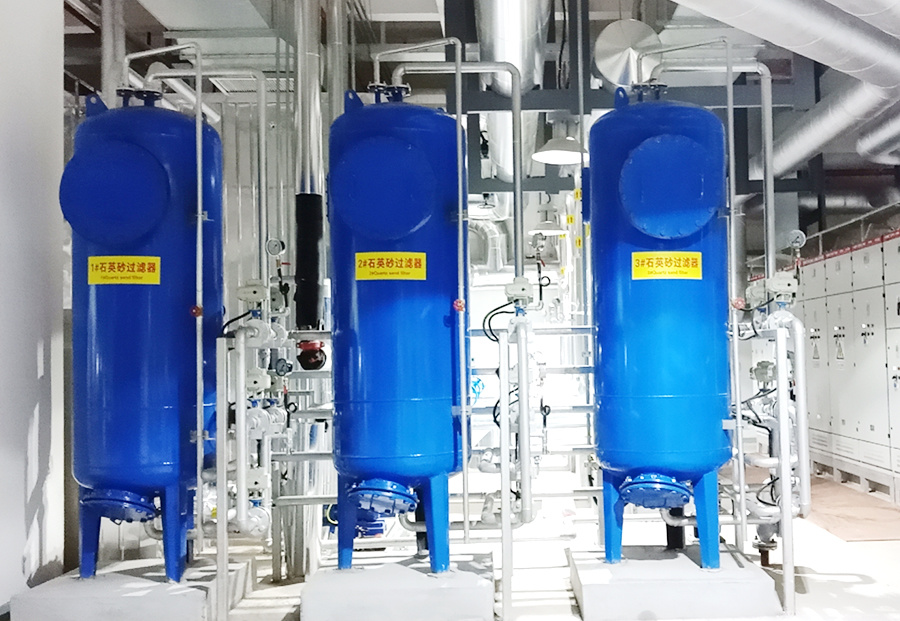
④ The relatively clear water flowing out of the sedimentation tank is passed into the filter tank to further remove insoluble impurities.
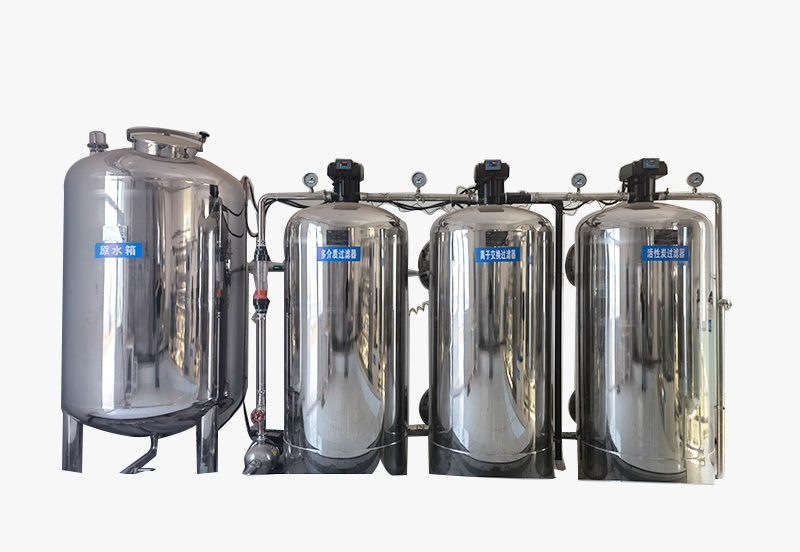
⑤ Then the water is introduced into the activated carbon adsorption tank to remove odors and residual smaller insoluble impurities.
⑥ Bacterial disinfection (commonly using chlorine gas ) . It is a chemical change process because the process of removing bacteria . is the process of turning bacteria into other substances.
⑦ The sterilized water is clean and drinkable tap water, supplied to users through water pumps, but it still contains some impurities that can be dissolved in water, so it is still a mixture.
Tags:
-- Recommended --


Shijiazhuang Tianwang Environmental Protection Technology Co., Ltd.
Shijiazhuang Tianwang Environmental Protection Technology Co., Ltd. is a high-tech enterprise specializing in the research and development, manufacturing and sales of water treatment equipment.
Contact Information
Production address: No. 9, Fengchan Road, Economic and Technological Development Zone, Shijiazhuang City
Office Address: 25th Floor, Block C, No. 310 Changjiang Avenue, Shijiazhuang High-tech Development Zone
Contact Number:
0311-89272359 0311-68039237
Enterprise Email:
twhbkj@163.com
Website: en.sjztwhb.com