
"Hard water" sounds scary, is it drinkable?
Category:
Time of issue:2019-08-08

Water hardness refers to the concentration of calcium and magnesium ions in water. Naturally occurring and untreated water contains some calcium and magnesium ions. Some of these ions exist in the form of calcium bicarbonate or magnesium bicarbonate. When water is boiled, bicarbonate becomes carbonate, and insoluble carbonate precipitates, forming a white layer.
Water hardness can be calculated using the calcium carbonate content (equivalent) in water. 1 PPM is a hardness unit, representing 1 milligram/liter of calcium carbonate content. Generally, above 170 PPM is considered hard water, while below 80 PPM calcium carbonate is considered soft water. The latest "Standard for Drinking Water Hygiene" issued by China stipulates a hardness standard of 450 PPM.
However, not all hard water will precipitate scale after boiling, because calcium and magnesium ions may also exist in the form of sulfates or chlorides. This type of hard water is called permanent hard water, which means that you cannot remove the calcium and magnesium ions through household methods. The hard water caused by bicarbonates mentioned earlier is called temporary hard water.
Calcium and magnesium are essential minerals for the human body, but excessive intake of minerals can also cause problems, so we need to calculate the total possible intake of calcium and magnesium.
In some areas, the water quality is poor and the hardness is high. Calculated with the upper limit of 600 milligrams/liter of calcium carbonate content, if you drink 2 liters of water a day, the total intake of calcium and magnesium is less than 600 milligrams, and this is assuming that all the water you drink is permanent hard water. For normal people, even if they ingest 1000 milligrams of calcium and magnesium separately every day, there is no problem.
Tags:
-- Recommended --

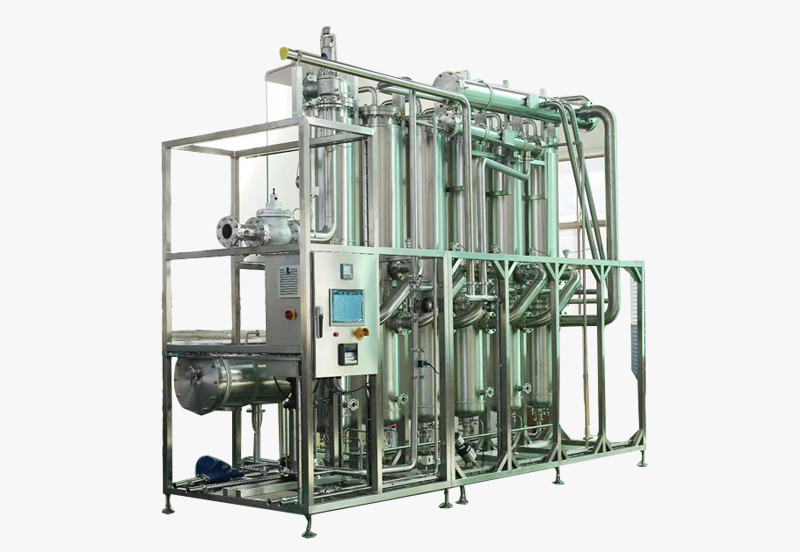
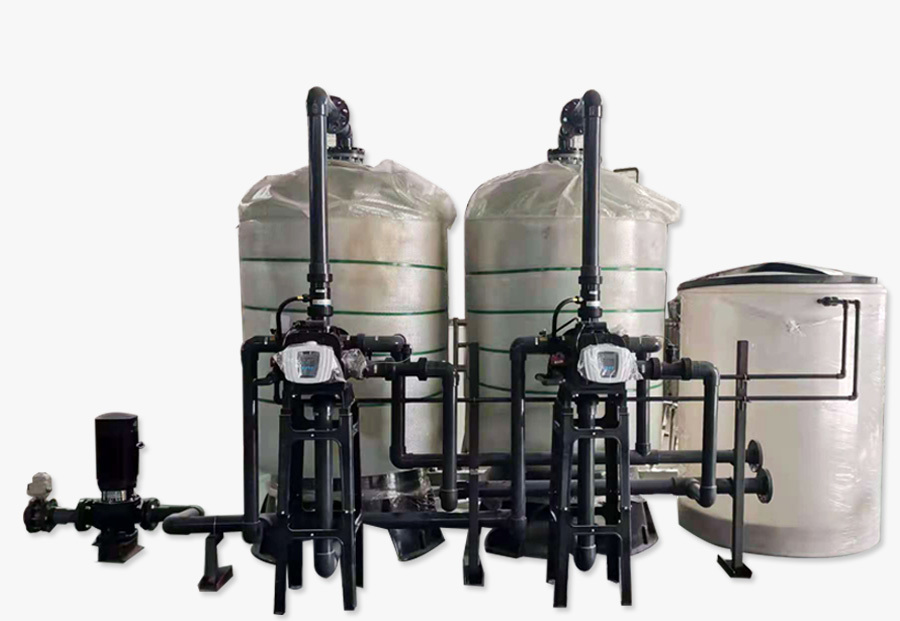
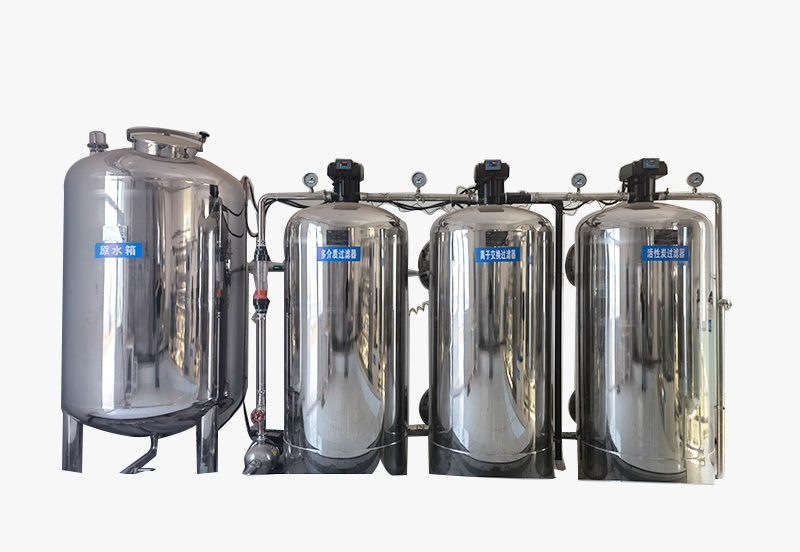

Shijiazhuang Tianwang Environmental Protection Technology Co., Ltd.
Shijiazhuang Tianwang Environmental Protection Technology Co., Ltd. is a high-tech enterprise specializing in the research and development, manufacturing and sales of water treatment equipment.
Contact Information
Production address: No. 9, Fengchan Road, Economic and Technological Development Zone, Shijiazhuang City
Office Address: 25th Floor, Block C, No. 310 Changjiang Avenue, Shijiazhuang High-tech Development Zone
Contact Number:
0311-89272359 0311-68039237
Enterprise Email:
twhbkj@163.com
Website: en.sjztwhb.com