

I heard that disinfection pollutes our water environment? Is that true?
Category:
Time of issue:2020-03-02
Disinfection is an important means of cutting off the transmission routes of viruses and controlling the spread of infectious diseases. Since the outbreak of the COVID-19 epidemic, many people have used 84 disinfectant, alcohol, etc. to disinfect their homes or clothing. At the same time, some people are also worried that excessive disinfection will lead to serious groundwater pollution from a large amount of disinfectants. Researchers from the National Research Center for Urban Environmental Pollution Control Technology have indicated that if there are no confirmed or suspected patients at home, maintaining daily cleaning is sufficient, and special disinfection measures are generally not necessary; continuous 1-3 months of disinfection will have a certain impact on surface water, soil, and vegetation, but it will not cause serious groundwater pollution.
There are precedents for excessive disinfection harming the ecological environment. 2003 During the SARS epidemic in 2003, due to excessive disinfection, a large amount of bleach was poured into the Danshui River and its tributaries in Taiwan, resulting in excessively high chlorine content and a large number of fish deaths. It took half a year for the river's ecosystem to recover, which had a significant impact.
“84 disinfectant is a disinfectant containing sodium hypochlorite, which mainly relies on the strong oxidizing properties of hypochlorous acid to kill microorganisms. Currently, public areas basically also use disinfectants containing sodium hypochlorite. ” The traditional disinfection process for tap water and municipal sewage is to use chlorine-containing agents for disinfection. Even if disinfectants are used excessively, the impact on surface water is small, but the impact on soil and vegetation is relatively large. “ The presence of a large amount of chlorine and residual chlorine ions will cause soil acidification, destroy soil structure, and cause compaction, etc. There are a huge number of microorganisms living in the soil, some of which are beneficial to the environment ‘ cleaners ’ 。When excessive disinfectants kill harmful bacteria, they may also kill these beneficial bacteria, causing damage to the biological network of urban green spaces. ”
It seems that we only took one step of disinfection, but what actually happened to natural organic matter during the chlorine disinfection reaction? The following figure shows it clearly.

Excessive disinfection is harmful, and residual disinfectants pollute the environment. Improper use of disinfectants can have a certain impact on residents, wildlife, edible agricultural products, etc., and can corrode items. Continuous improper disinfection will have a certain impact on surface water, soil, and vegetation, but it will not cause serious groundwater pollution.
Tags:
-- Recommended --

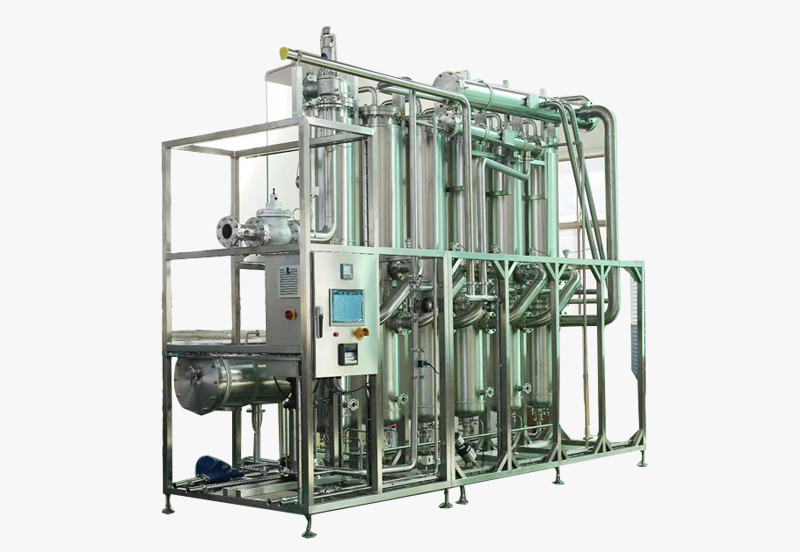
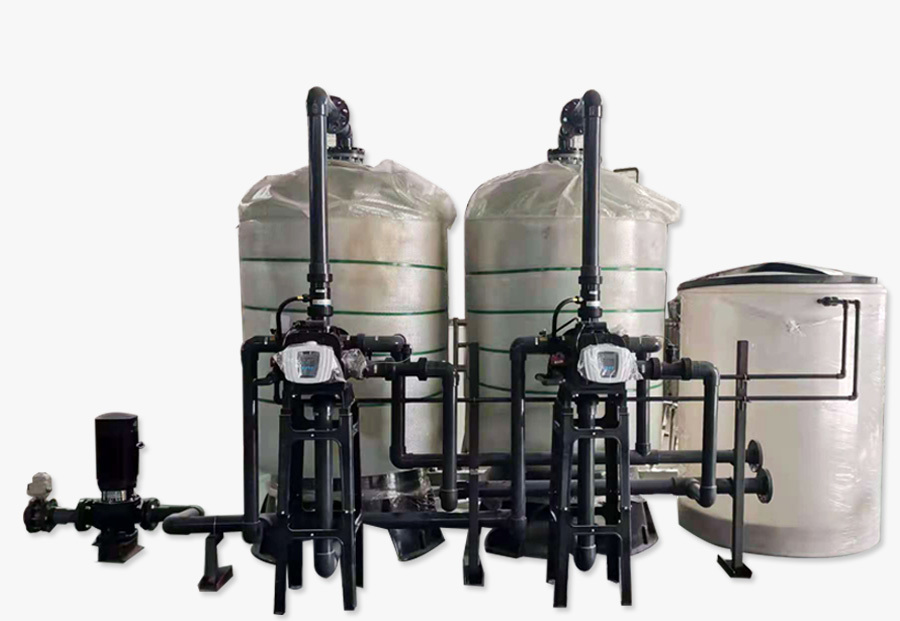
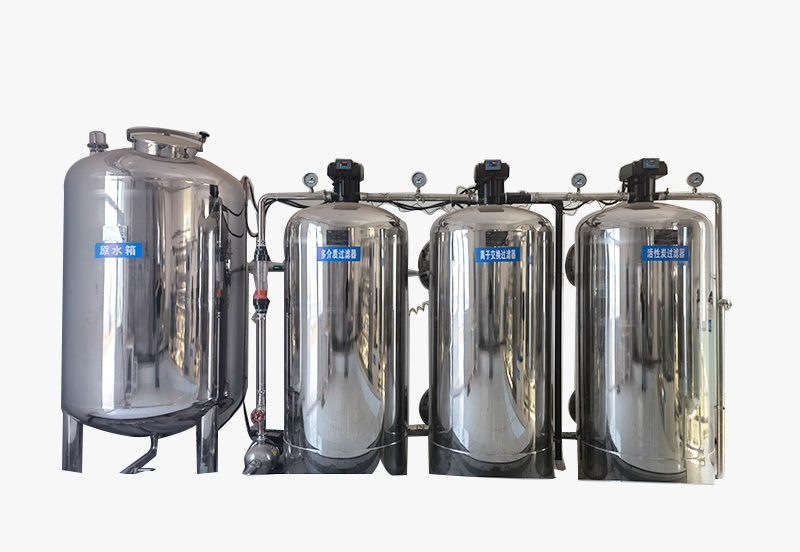
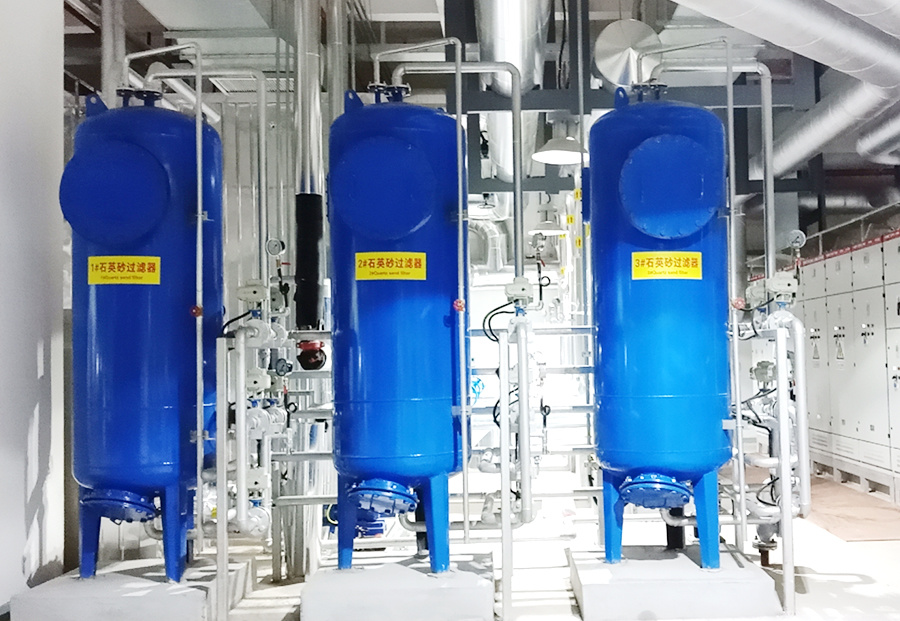

Shijiazhuang Tianwang Environmental Protection Technology Co., Ltd.
Shijiazhuang Tianwang Environmental Protection Technology Co., Ltd. is a high-tech enterprise specializing in the research and development, manufacturing and sales of water treatment equipment.
Contact Information
Production address: No. 9, Fengchan Road, Economic and Technological Development Zone, Shijiazhuang City
Office Address: 25th Floor, Block C, No. 310 Changjiang Avenue, Shijiazhuang High-tech Development Zone
Contact Number:
0311-89272359 0311-68039237
Enterprise Email:
twhbkj@163.com
Website: en.sjztwhb.com